Electric Forklift vs Diesel Forklift: Which One Fits Your Operation?
Published: July 23, 2026 · Xi'an Chenma Materials Co., Ltd.
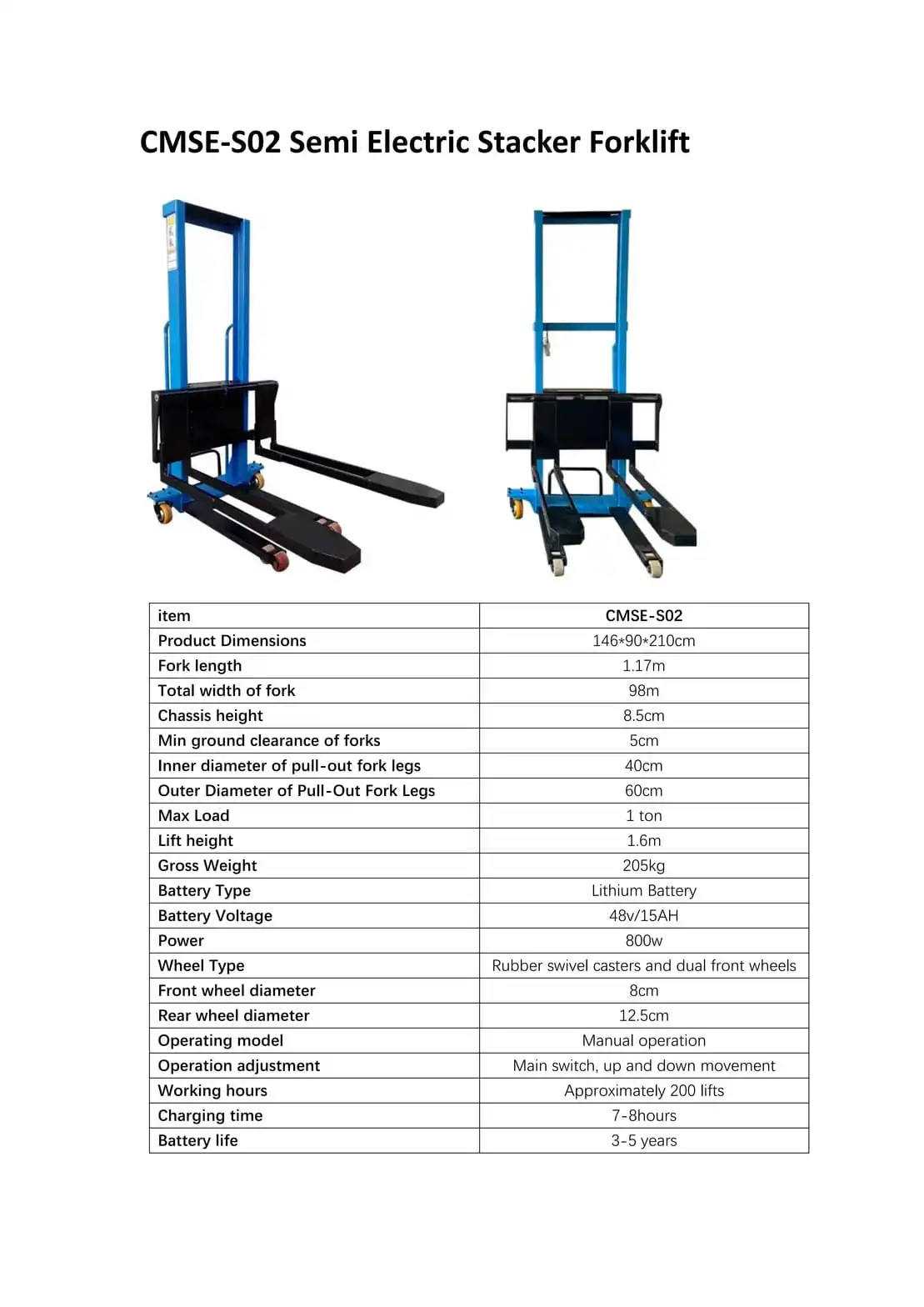
If you are responsible for material handling in a warehouse, distribution center, or construction yard, you have almost certainly faced this question: electric or diesel? The answer depends on where you operate, what you lift, and how you measure cost.
What is the difference between electric and diesel forklifts? Electric forklifts are powered by rechargeable batteries and produce zero emissions at the point of use. Diesel forklifts burn fuel in an internal combustion engine for heavy outdoor applications.
1. Emissions & Indoor Air Quality
If your forklift spends more than 20% of its time indoors, electric is the only practical choice. Diesel emissions in enclosed spaces require costly ventilation, and many jurisdictions now restrict diesel equipment indoors.
Regulatory trend: The EU's Stage V standards and California's CARB regulations are pushing toward zero-emission material handling. If you operate in Europe or plan to, electric is the future-proof investment.
2. Fuel Cost vs Electricity Cost
| Cost Factor | Electric (Lithium) | Diesel |
|---|---|---|
| Energy per 8-hour shift | $3–8 | $25–40 |
| Annual (250 days) | $750–2,000 | $6,250–10,000 |
| 5-Year Energy Savings | $20,000–40,000 per unit | |
3. Maintenance: Fewer Moving Parts = Fewer Problems
| Item | Electric | Diesel |
|---|---|---|
| Oil & filter changes | None | Every 250–500 hrs ($150–300) |
| Engine repairs | Almost none | Regular — injectors, gaskets |
| Emissions system | None | DPF, catalytic converter |
| Annual maintenance | $500–1,500 | $2,000–5,000 |
4. Performance & Power Comparison
Decision rule: Loads under 5 tons, indoor or mixed use → Electric wins on TCO. Loads over 8 tons, outdoor rough terrain, 24/7 operation → Diesel still necessary. The 3–5 ton range, mixed indoor/outdoor → this is where the decision gets nuanced.
5. Noise & Operator Comfort
Electric: 60–70 dB (conversation-level). Diesel: 85–95 dB (requires hearing protection per OSHA). Electric forklifts keep the workplace quieter, safer, and more comfortable — translating to lower turnover and fewer incidents.
6. The Indoor/Outdoor Decision Matrix
| Your Operation | Recommendation |
|---|---|
| 100% indoor warehouse | Electric |
| 80% indoor, 20% loading dock | Electric with solid tires |
| 50/50 indoor/outdoor paved | Electric (lithium) with pneumatic tires |
| 80% outdoor, 20% indoor | Diesel with proper ventilation |
| 100% outdoor construction yard | Diesel (unless loads under 3 tons) |
7. Total Cost of Ownership: 5-Year Comparison
| Cost Category | Electric (Lithium) | Diesel |
|---|---|---|
| Purchase price | $18,000–30,000 | $20,000–35,000 |
| 5-year energy/fuel | $10,000 | $40,000 |
| 5-year maintenance | $5,000 | $15,000 |
| 5-Year TCO | $39,000–54,000 | $78,000–96,000 |
The verdict: For operations under 5-ton capacity with at least 50% indoor use, electric forklifts deliver a 40–50% lower total cost of ownership over 5 years.
Related: Small Electric Forklift Guide · Electric Stair Climber Buyer Guide